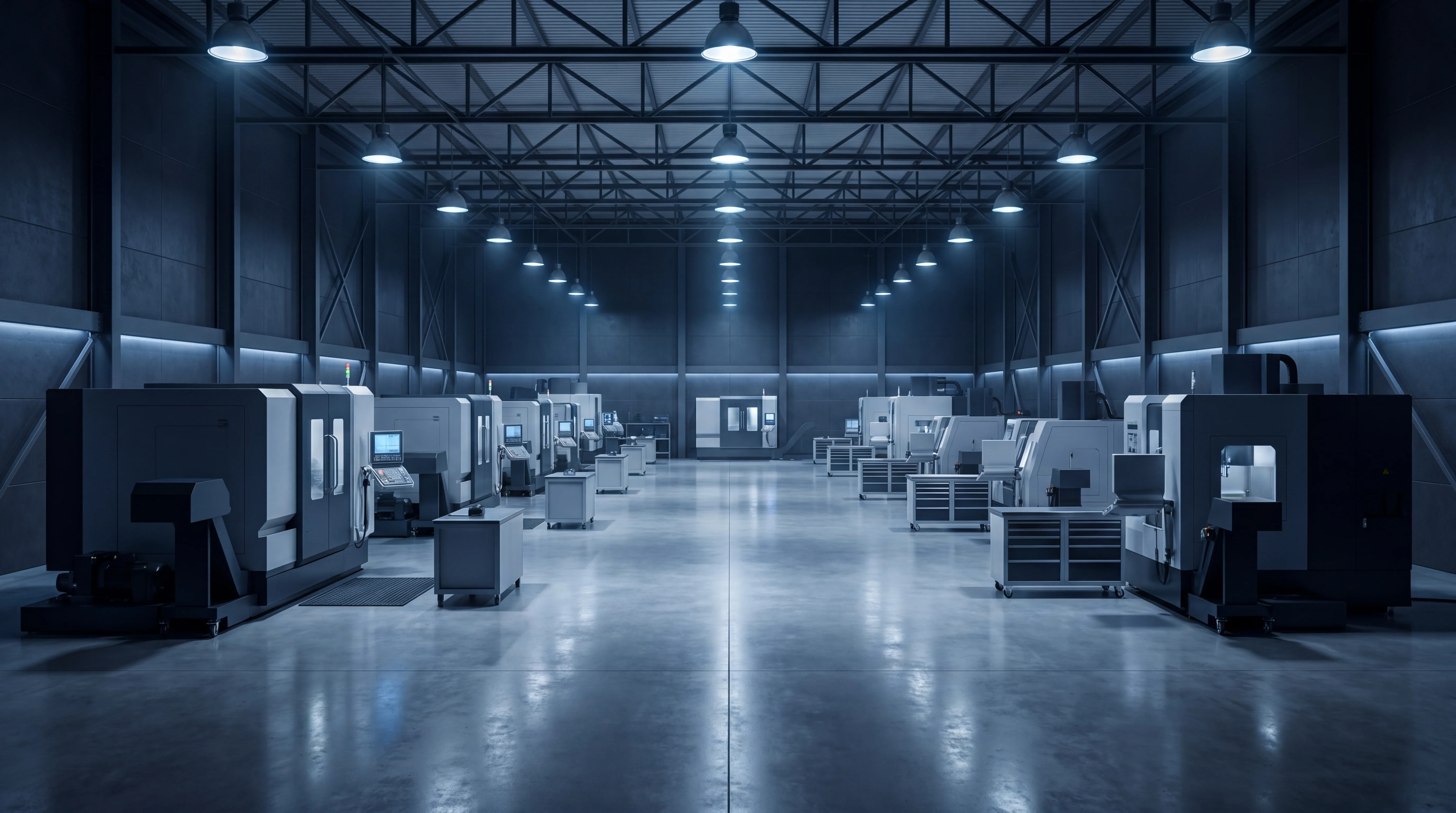
Machine Lapping in Waukesha
Machine lapping runs planetary, single-side, and CNC platforms with controlled pressure and abrasive flow. Designed for lot-to-lot consistency in finish and flatness.
Send drawings. Receive tolerances.
One business day turnaround on Waukesha machine lapping requests.
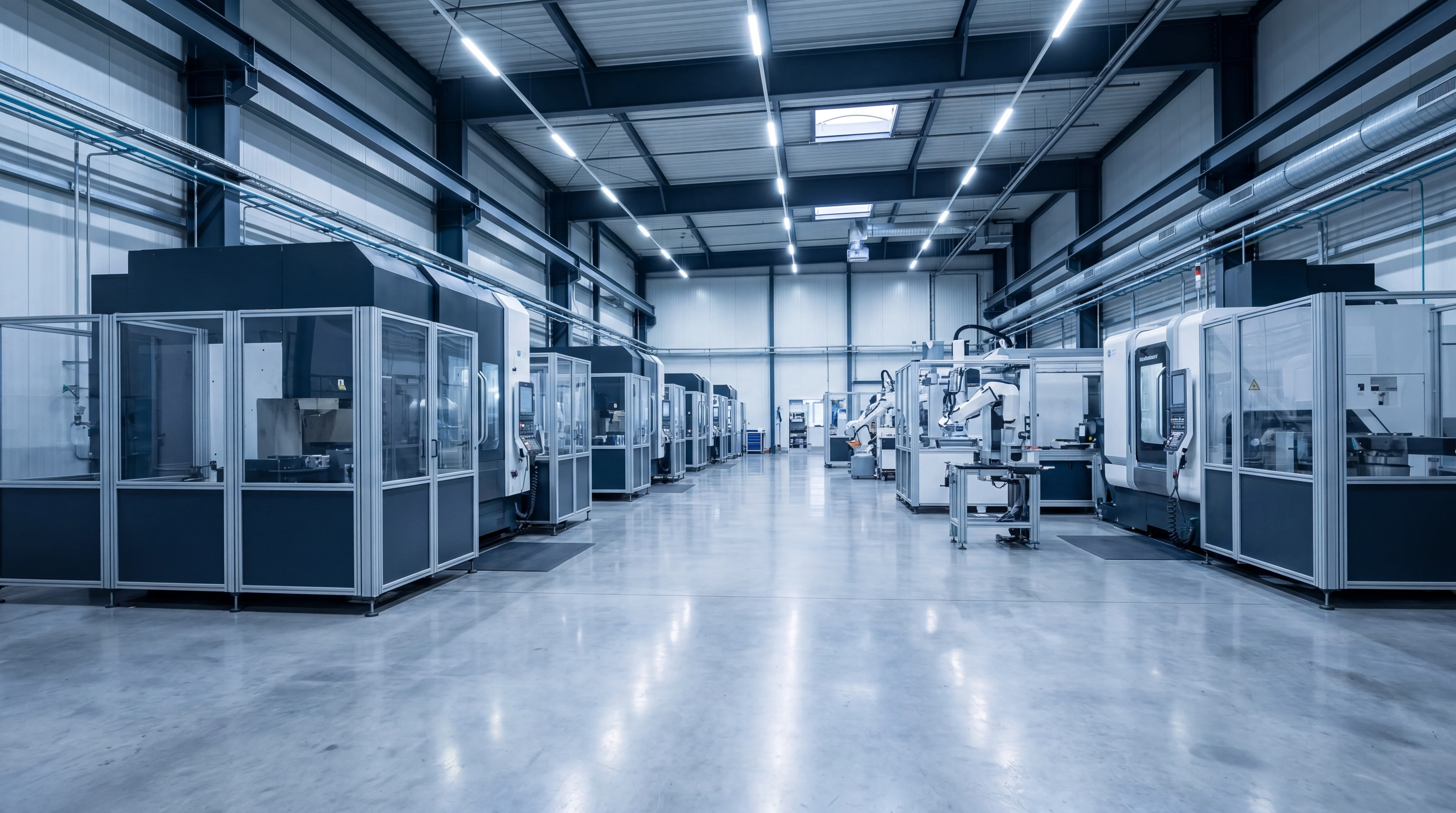
Machine lapping runs planetary, single-side, and CNC platforms with controlled pressure and abrasive flow. Designed for lot-to-lot consistency in finish and flatness.
Process Overview
Machine Lapping for Waukesha-area programs is performed under documented process cards. Each lot is recorded with abrasive type and grit, plate selection, pressure profile, and inspection method so a follow-up lot reproduces the same flatness, parallelism, and Ra. Drawings, target finish, and lot size determine the equipment and the sequence; quotes cover all three together.
Single-Side Lapping Machine
Single-Side Lapping Machine is selected based on part size, materials, and target finish. Setup is recorded in the per-lot travel sheet so subsequent lots reproduce the same conditions.
Double-Side Lapping Machine
Double-Side Lapping Machine is selected based on part size, materials, and target finish. Setup is recorded in the per-lot travel sheet so subsequent lots reproduce the same conditions.
Flat Lapping Machine
Flat Lapping Machine is selected based on part size, materials, and target finish. Setup is recorded in the per-lot travel sheet so subsequent lots reproduce the same conditions.
Cylindrical Lapping Machine
Cylindrical Lapping Machine is selected based on part size, materials, and target finish. Setup is recorded in the per-lot travel sheet so subsequent lots reproduce the same conditions.
CNC / Automated Lapping Machine
CNC / Automated Lapping Machine is selected based on part size, materials, and target finish. Setup is recorded in the per-lot travel sheet so subsequent lots reproduce the same conditions.
Lapping Machine Types
Lapping Machine Types is performed under documented process controls aligned with the part geometry, target finish, and lot size. Tolerances, abrasive selection, and plate type are matched to the substrate — cast iron with diamond for hard materials, composite for finer Ra targets, and grooved or serrated plates for chip clearing in higher-removal passes.
- Single-side lapping machine — open-face plate, single rotating lap for cost-effective single-face finishing
- Double-side lapping machine — planetary carriers between upper and lower laps for parallel two-face finishing
- Flat lapping machine — for plates, seals, and flat-faced workpieces
- Cylindrical lapping machine — internal, external, and centerless configurations for shafts, bores, and pins
- CNC / automated lapping machine — programmable pressure, speed, and cycle control for repeatable production runs
Additional Equipment and Variants
Other configurations available for machine lapping — expand any item below for selection notes.
Pressure Jet Lapping Machine
Pressure Jet Lapping Machine is selected when part size, materials, or surface finish targets call for that specific platform. Setup is recorded on the per-lot travel sheet so subsequent lots reproduce the same conditions.
Bench-Mounted Lapping Machine
Bench-Mounted Lapping Machine is selected when part size, materials, or surface finish targets call for that specific platform. Setup is recorded on the per-lot travel sheet so subsequent lots reproduce the same conditions.
Free-Standing Lapping Machine
Free-Standing Lapping Machine is selected when part size, materials, or surface finish targets call for that specific platform. Setup is recorded on the per-lot travel sheet so subsequent lots reproduce the same conditions.
Materials and Tolerances
Common materials for machine lapping include hardened tool steels, stainless alloys, tungsten carbide, ceramics (Al₂O₃, ZrO₂, SiC), single-crystal silicon, sapphire, and carbon-graphite seal faces. Flatness targets of one light band (~11.6 µin / 0.3 µm) are routine; sub-micron parallelism is held on planetary fixtures with matched carriers.
Inspection and Certification
In-process inspection uses interferometer plates for flatness, profilometers for Ra, and gauge blocks or air gauges for dimensional checks. Per-lot certification is issued on production runs and ties measured results back to the originating drawing and travel sheet.
In-Depth Reference for Waukesha
Machine Lapping Demand in Waukesha and Waukesha County
Waukesha sits at the core of one of Wisconsin's most concentrated manufacturing corridors, positioned along the I-94 belt that links Milwaukee's industrial east side to supplier networks stretching toward Madison. The county's outsized share of fluid power, power generation, and precision mechanical assembly manufacturers creates sustained, technically demanding need for controlled surface finishing - machine lapping in particular. Husco International, headquartered in Waukesha and producing hydraulic valves and manifold assemblies for off-highway and automotive applications, represents the type of high-duty-cycle fluid power work where lapped mating surfaces are not an option but a specification requirement. Hydraulic spool bores and valve faces carry sealing loads that flat-ground or honed surfaces cannot reliably sustain; lapping brings flatness and surface finish to the levels those interfaces demand.
Power generation equipment manufactured in the Waukesha-Pewaukee area - including rotating machinery with precision bearing journals, shaft sealing faces, and valve-train components - generates recurring surface conditioning requirements tied to both original manufacture and field overhaul cycles. SPX Transformer Solutions, with transformer manufacturing operations in Waukesha, works with conductor clamping assemblies where flatness directly governs electrical contact performance and load distribution across insulating stack layers. GE Healthcare, maintaining engineering and manufacturing presence in the broader Milwaukee metro, draws on regional precision finishing capacity for imaging system components that carry dimensional tolerances measured in the single-digit micron range. Waukesha County's position within a regional supply chain extending into Racine, Kenosha, and Ozaukee counties means that lapping capacity here serves both local production schedules and outbound supplier deliveries across southeastern Wisconsin.
Standards and Traceability Requirements for Machine Lapping
Machine lapping outcomes are assessed against dimensional and surface texture parameters that must be traceable to national standards for results to hold weight in a regulated supply chain. NIST-traceable flatness verification - typically conducted with optical flats or air-bearing CMM probes - establishes that lapped surfaces meet the tolerance band called out in engineering drawings, whether expressed as a flatness callout under ASME Y14.5, a parallelism grade under ISO 2768, or a surface roughness value (Ra or Rz) defined per ASME B46.1 or ISO 1302. Laboratories operating under ISO/IEC 17025 accreditation maintain an unbroken traceability chain from every measurement back to SI units through NIST or another recognized national metrology institute; that requirement cascades to the lapping verification process itself, not merely to the instruments used in downstream inspection.
ASTM standards intersect machine lapping consequentially even where they do not name the process directly. ASTM F37 covers sealing characteristics for sheet gasketing and directly influences acceptable surface finish on metal-to-metal sealing faces common in Waukesha County's fluid power and compression equipment base. For facilities operating under FDA 21 CFR Part 820 - applicable to Milwaukee-area medical device manufacturers that subcontract precision finishing to Waukesha-area shops - surface finishing records become part of the device history record, and the calibration status of every measurement instrument used to verify those surfaces must be documented and traceable. Lapped components destined for ASME-coded pressure vessels or pressure piping are subject to dimensional verification requirements tied to the applicable construction code, reinforcing the need for calibration records that satisfy both internal quality systems and third-party audit reviews.
Acceptance tolerances for machine lapping vary substantially by application. A hydraulic servo valve spool may carry a flatness requirement tighter than 0.5 micrometer, while a large transformer clamping plate may permit several micrometers of deviation provided surface contact area satisfies minimum specification. What remains constant across those applications is the expectation that confirming measurements were performed with calibrated equipment, under conditions defined within an ISO/IEC 17025-accredited scope, and that measurement uncertainty has been evaluated and documented. Facilities in Waukesha County supplying to aerospace, defense, or FDA-regulated customers face contractual or regulatory audit requirements where those records are reviewed in detail - and gaps in traceability documentation carry corrective action consequences regardless of whether the underlying surface finish was within tolerance.