
Fort Wayne, IN · Machine Lapping

Machine Lapping in Fort Wayne

Machine lapping runs planetary, single-side, and CNC platforms with controlled pressure and abrasive flow. Designed for lot-to-lot consistency in finish and flatness.

≤ 1 Light Band < 2 µin Ra ISO 9001:2015 1-Day Quote
Direct line: (618) 323-0428
Request For Quote

Send drawings. Receive tolerances.

One business day turnaround on Fort Wayne machine lapping requests.
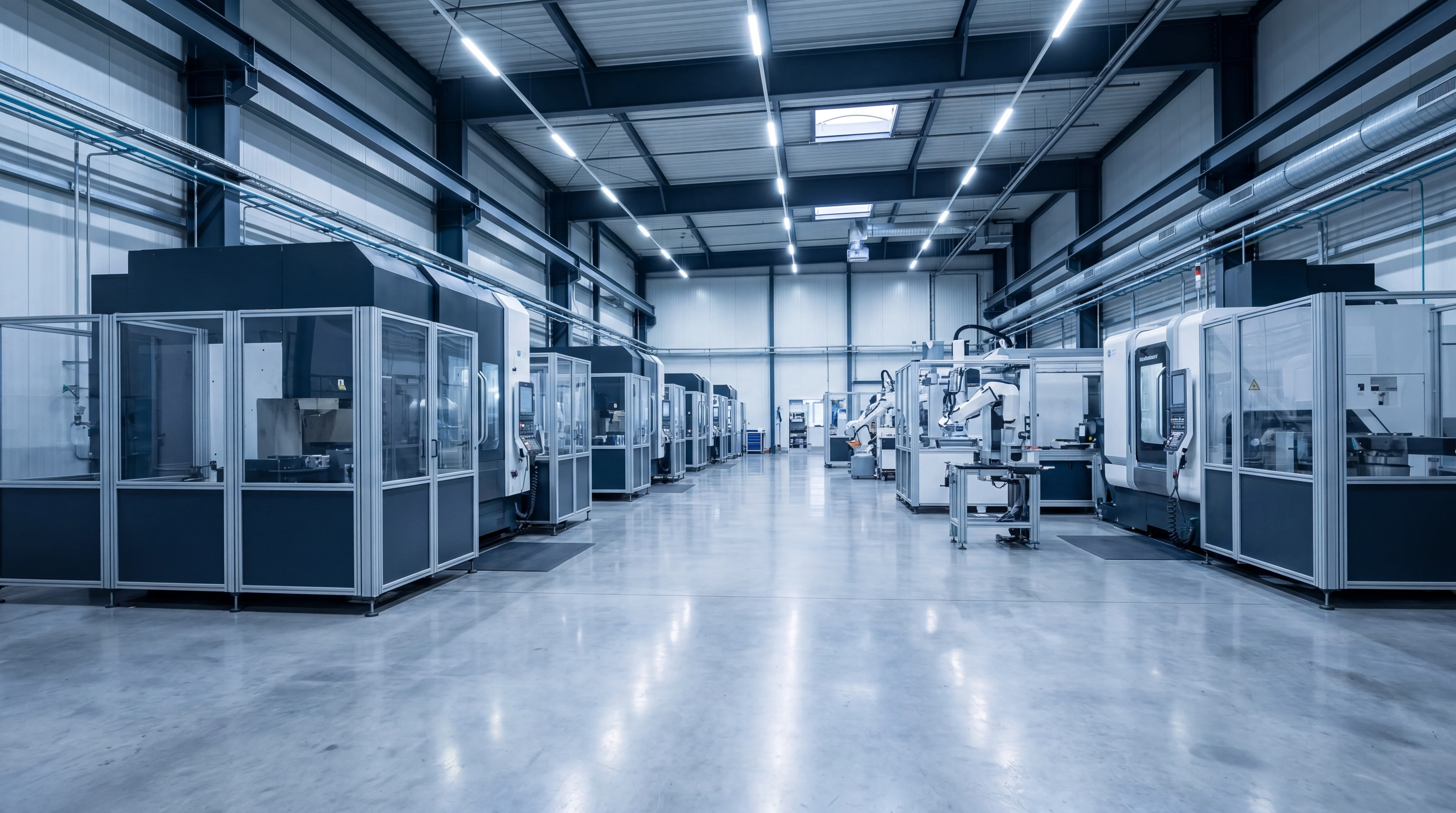
Machine Lapping reference

Machine lapping runs planetary, single-side, and CNC platforms with controlled pressure and abrasive flow. Designed for lot-to-lot consistency in finish and flatness.

Process Overview

Machine Lapping for Fort Wayne-area programs is performed under documented process cards. Each lot is recorded with abrasive type and grit, plate selection, pressure profile, and inspection method so a follow-up lot reproduces the same flatness, parallelism, and Ra. Drawings, target finish, and lot size determine the equipment and the sequence; quotes cover all three together.

Single-Side Lapping Machine

Single-Side Lapping Machine is selected based on part size, materials, and target finish. Setup is recorded in the per-lot travel sheet so subsequent lots reproduce the same conditions.

Double-Side Lapping Machine

Double-Side Lapping Machine is selected based on part size, materials, and target finish. Setup is recorded in the per-lot travel sheet so subsequent lots reproduce the same conditions.

Flat Lapping Machine

Flat Lapping Machine is selected based on part size, materials, and target finish. Setup is recorded in the per-lot travel sheet so subsequent lots reproduce the same conditions.

Cylindrical Lapping Machine

Cylindrical Lapping Machine is selected based on part size, materials, and target finish. Setup is recorded in the per-lot travel sheet so subsequent lots reproduce the same conditions.

CNC / Automated Lapping Machine

CNC / Automated Lapping Machine is selected based on part size, materials, and target finish. Setup is recorded in the per-lot travel sheet so subsequent lots reproduce the same conditions.

Lapping Machine Types

Lapping Machine Types is performed under documented process controls aligned with the part geometry, target finish, and lot size. Tolerances, abrasive selection, and plate type are matched to the substrate — cast iron with diamond for hard materials, composite for finer Ra targets, and grooved or serrated plates for chip clearing in higher-removal passes.

  • Single-side lapping machine — open-face plate, single rotating lap for cost-effective single-face finishing
  • Double-side lapping machine — planetary carriers between upper and lower laps for parallel two-face finishing
  • Flat lapping machine — for plates, seals, and flat-faced workpieces
  • Cylindrical lapping machine — internal, external, and centerless configurations for shafts, bores, and pins
  • CNC / automated lapping machine — programmable pressure, speed, and cycle control for repeatable production runs

Additional Equipment and Variants

Other configurations available for machine lapping — expand any item below for selection notes.

Pressure Jet Lapping Machine

Pressure Jet Lapping Machine is selected when part size, materials, or surface finish targets call for that specific platform. Setup is recorded on the per-lot travel sheet so subsequent lots reproduce the same conditions.

Bench-Mounted Lapping Machine

Bench-Mounted Lapping Machine is selected when part size, materials, or surface finish targets call for that specific platform. Setup is recorded on the per-lot travel sheet so subsequent lots reproduce the same conditions.

Free-Standing Lapping Machine

Free-Standing Lapping Machine is selected when part size, materials, or surface finish targets call for that specific platform. Setup is recorded on the per-lot travel sheet so subsequent lots reproduce the same conditions.

Materials and Tolerances

Common materials for machine lapping include hardened tool steels, stainless alloys, tungsten carbide, ceramics (Al₂O₃, ZrO₂, SiC), single-crystal silicon, sapphire, and carbon-graphite seal faces. Flatness targets of one light band (~11.6 µin / 0.3 µm) are routine; sub-micron parallelism is held on planetary fixtures with matched carriers.

Inspection and Certification

In-process inspection uses interferometer plates for flatness, profilometers for Ra, and gauge blocks or air gauges for dimensional checks. Per-lot certification is issued on production runs and ties measured results back to the originating drawing and travel sheet.

Service Detail

In-Depth Reference for Fort Wayne

DOC REF: TCS-SVC-LOC

Fort Wayne's Industrial Base and Machine Lapping Demand

Allen County's manufacturing density anchors demand for precision surface finishing across multiple production sectors. The General Motors Fort Wayne Assembly Complex - one of North America's highest-volume light-duty truck plants - generates substantial downstream demand through its Tier-1 and Tier-2 supplier network concentrated along the U.S. 30 and I-469 corridors east and south of the city. Component suppliers producing cylinder head assemblies, fuel system bodies, and hydraulic actuation parts for truck programs specify lapped sealing faces and bore terminations held to flatness tolerances that precision grinding cannot reliably maintain at production volumes. Dana Incorporated's Fort Wayne driveshaft and axle operations add a further demand layer; differential housing seating faces and companion flange surfaces in high-torque driveline assemblies are routinely held below two light bands of flatness - a standard that machine lapping achieves where residual waviness from grinding creates leak-path risk.

Steel Dynamics, headquartered in Fort Wayne, maintains precision tooling requirements for its rolling and forming equipment, where lapped roll and die faces directly influence gauge consistency in flat-rolled steel product. Fort Wayne Metals Research Products, operating specialty wire drawing lines in the city's east side industrial zone, represents an adjacent demand segment: drawing dies and precision guide elements governing medical-grade wire geometry carry surface finish specifications tied to biocompatibility and dimensional consistency requirements in downstream implant and catheter applications. The Warsaw, Indiana orthopedic manufacturing cluster - approximately 45 miles southwest along U.S. 30 - extends regional lapping demand into implant-component fixturing and tooling. BAE Systems' Northeast Indiana operations add precision hermetic sealing surface and optical-mount requirements, where documented surface condition traceability is a program-level deliverable rather than a supplier option.

Applicable Standards and Traceability Requirements

Machine lapping acceptance criteria are evaluated against a layered set of surface metrology standards. ASME B46.1 governs domestic surface texture parameter definitions - Ra, Rz, and Rq - and specifies the measurement methodology for contact profilometry instruments used to verify finished lapped surfaces. ISO 4287 and ISO 4288 provide the international equivalents and appear routinely in supplier drawings from European automotive OEMs present in Indiana's supply chain. Flatness verification is conducted against calibrated optical flats or granite surface plates, with results expressed in helium-light bands; one band equals approximately 11.6 microinches at the He-Ne wavelength, and production machine lapping on hardened steel or ceramic typically achieves two to four bands. Where a calibration laboratory issues certificates for the optical flats, profilometer reference specimens, or surface roughness comparison artifacts used in this process, ISO/IEC 17025:2017 sets the competence framework: documented uncertainty budgets, NIST-traceable reference standards, and measurement traceability chains that withstand supplier audit scrutiny.

The regulatory layer governing traceability varies by end-use sector. Under IATF 16949 - the automotive quality standard applicable to most Tier-1 and Tier-2 suppliers in Allen County - measurement system analysis for lapping-related gauging is a required element of production part approval submissions, making calibrated measurement artifacts with ISO/IEC 17025-backed certificates a practical procurement requirement rather than a recommendation. For tooling, dies, and fixtures destined for FDA-regulated medical device manufacturing - including wire drawing equipment and implant-component grinding fixtures present in the Northeast Indiana and Warsaw-area supply chain - 21 CFR Part 820 and the harmonized ISO 13485:2016 framework require that all equipment used to verify surface conditions carry calibration records stating uncertainty and NIST-traceable lineage. Abrasive compound specifications in machine lapping processes reference ASTM B214 for screen analysis of granular metallic abrasives and ASTM B243 for powder metallurgy terminology, establishing a documented parameter chain from raw lapping media through finished surface result that supports both internal process control and external regulatory review.

Request a Machine Lapping Quote Call (618) 323-0428